Welcome! We’re so glad you stopped by—explore and enjoy! We’re grateful you’re here. May this space encourage your faith, strengthen your walk, and remind you that you are deeply loved by God.
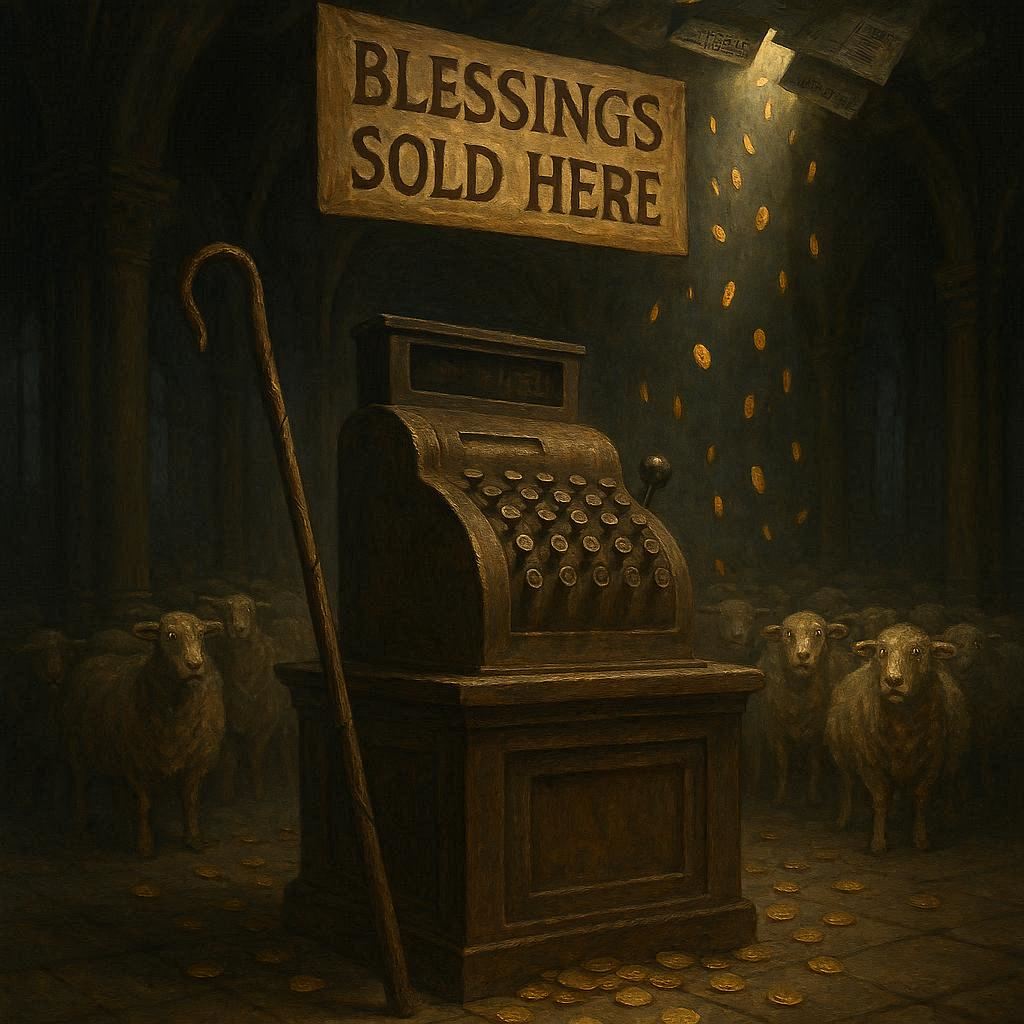
‘Friends! This site exists to share truth, build meaningful relationships, and serve others in the love of Christ. We’re glad you stopped by. Today we go deep in the rabbit hole and get deep in hidden truths not taught in your corner 7/11s brick and mortar modern money changer churches today. Lets get started…
“In the beginning was the Word, and the Word was with God, and the Word was God.”
- That statement is not Roman.
- It is not Greek.
- It is not Ethiopian.
- It is not Protestant.
- It is not Catholic.
It is eternal.
‘Friends, before councils convened, before bishops debated, before empires codified theology, the Word existed. The Word was not born in a council chamber. The Word did not wait for imperial ratification. The Word was not canonized by men—it was recognized by them.
And yet, modern Christianity speaks of “the Bible” as though it descended from heaven leather-bound in English, finalized by divine memo, untouchable, unquestionable, historically uncomplicated.
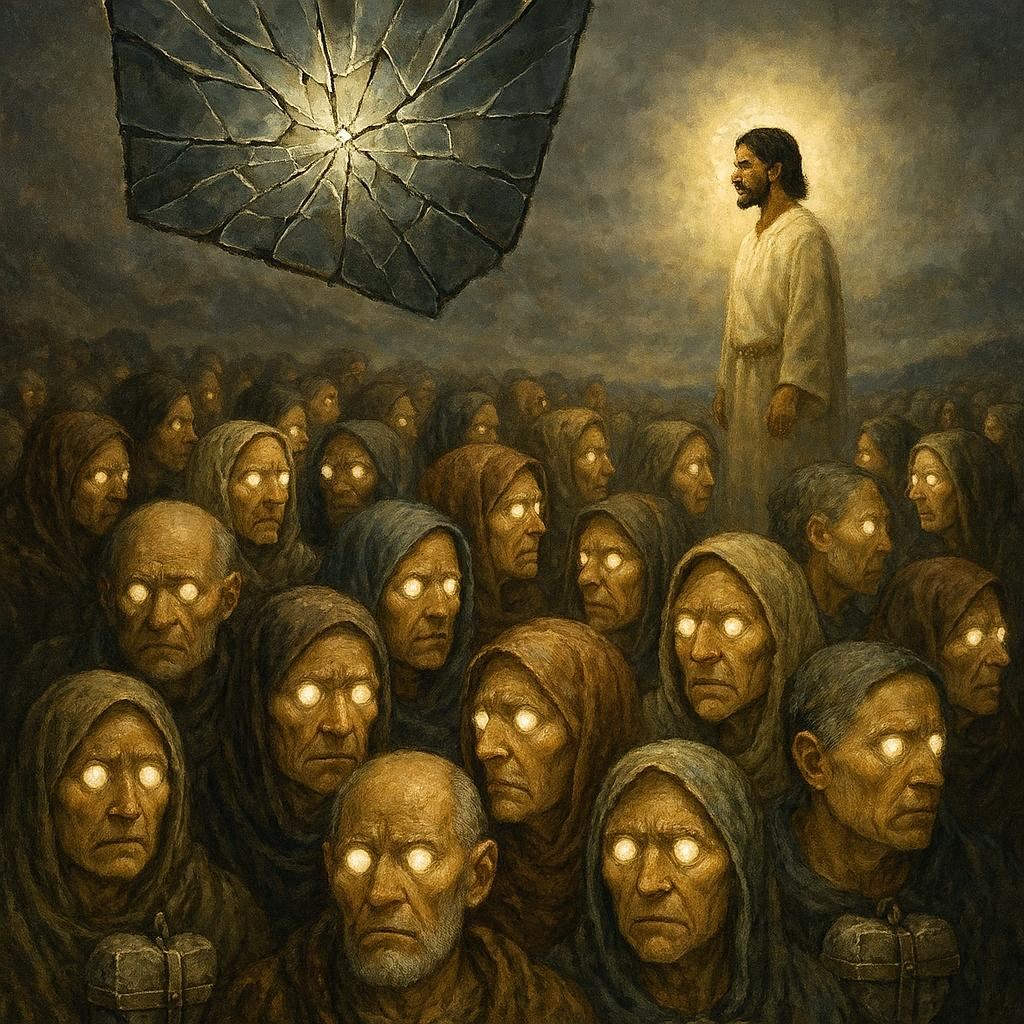
That illusion must be shattered.
The question before us is not whether Scripture is divinely inspired. It is whether modern believers truly understand how Scripture was gathered, guarded, contested, and preserved across cultures—and whether the Ethiopian canon exposes uncomfortable realities about canon formation, political influence, and Western theological assumptions.
We will examine five matters:
- Is the Ethiopian canon more complete?
- Did Politics influence canon formation?
- How has Scripture been preserved across cultures?
- How do Modern Christians misunderstand canon history?
- How Much of the Western canon did European white wash?
This is not a casual exploration. This is a reckoning.
I. THE ETHIOPIAN CANON: MORE COMPLETE OR MERELY DIFFERENT?:
‘Friends, the Ethiopian Orthodox Tewahedo Church maintains a canon of 81 books. Western Protestant Bibles contain 66. Roman Catholic Bibles contain 73. Eastern Orthodox traditions vary:
The Ethiopian canon includes texts such as 1 Enoch, Jubilees, 1–3 Meqabyan, and others that are absent from most Western Bibles. The first question is not emotional—it is textual; Are these additions corruptions, or remnants?
1 Enoch was known in Second Temple Judaism. Fragments were found among the Dead Sea Scrolls. It was quoted in the New Testament: “And Enoch also, the seventh from Adam, prophesied of these.” That quotation exists in Jude.
Modern Christians read Jude without hesitation—yet many have never asked why Jude quotes from a book no longer present in their canon. If a New Testament writer references it as prophecy, what are we to do with that? We must not exaggerate. The Ethiopian canon is not the “source” of Western Bibles.
Western traditions descend largely from the Masoretic Text, the Septuagint, and the Latin Vulgate. But the Ethiopian tradition preserved certain writings that the West did not ultimately receive into its canon. That is not a conspiracy. That is history!
The Ethiopian Church developed largely outside Roman imperial influence. It was geographically distant from the theological power struggles of the Mediterranean world. It preserved what it received.
‘Friends, here lies the uncomfortable truth:
The West narrowed its canon over time. Ethiopia maintained a broader one. Now the question becomes theological; Does “more books” mean “more complete”? Not automatically. But it does demand examinations.
Modern Christians often assume the 66-book Protestant canon represents the unquestionable divine standard. Yet the process that led to that number involved centuries of debate, regional variation, and theological argument. The Ethiopian canon forces us to confront this.
The early Church did not operate with a universally fixed table of contents. If truth fears examination, it is fragile. If truth survives examination, it is eternal. The Ethiopian canon challenges complacency—not inspiration.
II. CANON FORMATION AND POLITICAL REALITIES:
‘Friends, let us be sober! Canon formation did not occur in a vacuum. The Church moved from persecution to imperial favor under Constantine. Christianity transitioned from underground assemblies to imperial religion. Councils emerged not only for theological clarity, but for institutional unity. Unity is not evil. But power always carries influence.
When bishops gathered in councils such as Hippo and Carthage, they were not inventing Scripture. They were recognizing what they believed to be apostolic writings. Yet those recognitions occurred within historical pressures: doctrinal disputes, heresies, ecclesiastical consolidation.
Political realities shaped timing. Imperial endorsement shaped enforcement. Texts circulated unevenly. Some churches read Shepherd of Hermas. Others read 1 Clement. Others used different Old Testament traditions depending on whether they leaned toward Hebrew or Greek textual streams.
The Western Church gradually coalesced around the Hebrew canon for the Old Testament, while retaining certain deuterocanonical books depending on tradition. The Ethiopian Church, drawing heavily from the Septuagint tradition and local usage, preserved a wider collection. Was this corruption? Or continuity?
‘Friends, the answer is not simple. What must be exposed is this illusion:
Canon formation was a mystical, conflict-free download from heaven. It was not. It was a process—guided, yes—but still a process among men. God preserves His Word. But He does so through human vessels. That tension unsettles those who crave mechanical certainty.
Yet Scripture itself reveals this dynamic. Paul’s letters circulated. Peter refers to “all his epistles.” Recognition preceded formal ratification. Authority preceded council confirmation. The councils did not create authority. They acknowledged it.
But acknowledgment can be influenced by theological emphasis, liturgical practice, and regional tradition. To admit this is not to weaken Scripture. It is mature in understanding that something had happened!
III. PRESERVATION ACROSS CULTURES: A GLOBAL TESTIMONY:
The Ethiopian tradition proves something profound; Scripture was not preserved by Rome alone. It was not preserved by the Latin West alone. It was not preserved by Europe. In Aksum, far from imperial Rome, believers copied texts in Ge’ez.
In Syria, believers read Syriac manuscripts. In Alexandria, scholars worked in Greek. In Jerusalem, Hebrew scrolls endured. This global preservation reveals something extraordinary. God did not entrust His Word to a single empire.
- If Rome fell, Scripture remained.
- If Constantinople fell, Scripture remained.
- If Jerusalem burned, Scripture remained.
Because the Word is not dependent on a throne. The Ethiopian canon’s survival testifies to decentralization. While Western Christianity often narrates its own history as central, the global church tells a broader story. Modern believers often forget that Christianity was flourishing in Africa long before much of Europe was even evangelized.
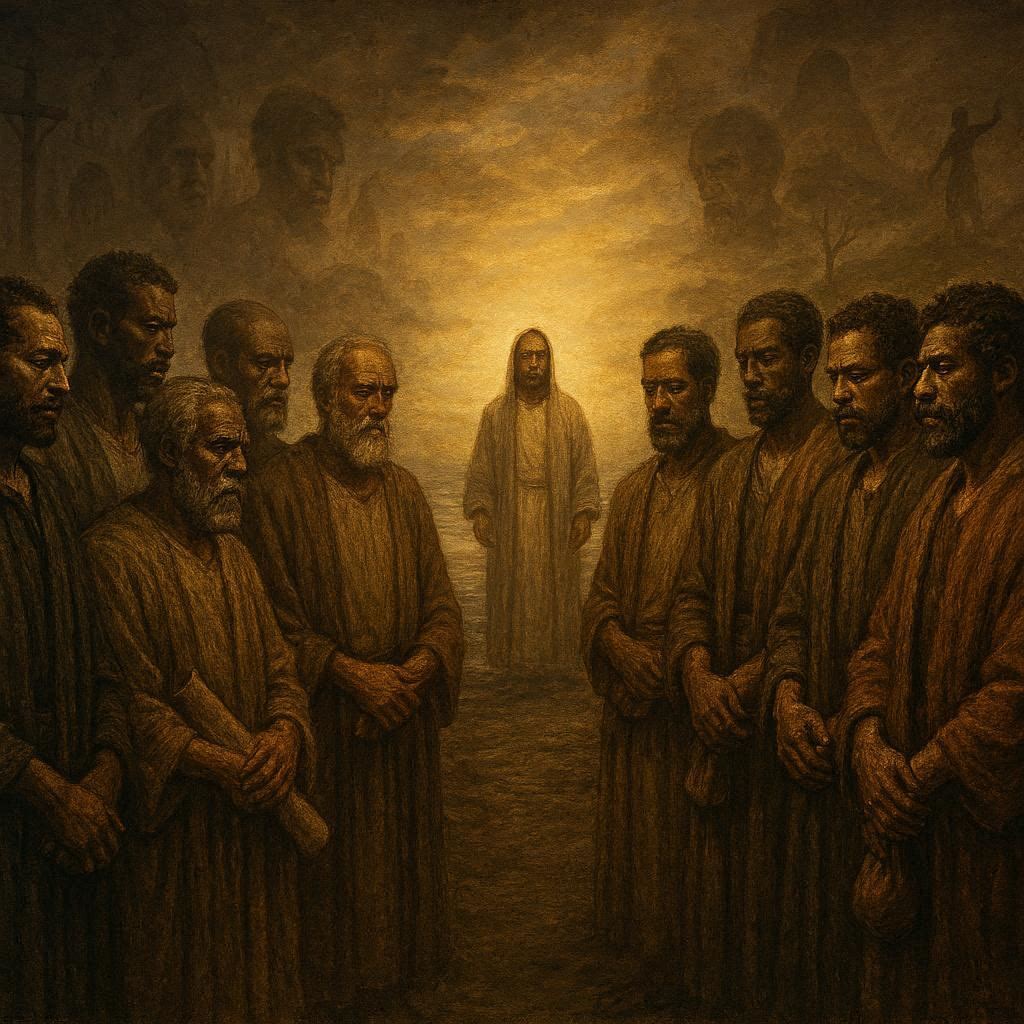
The Ethiopian Church predates many Western institutional developments. This alone should sober triumphal narratives. As the image portrayed as our Jesus by European powers that influenced western culture to a false image of Jesus Christ.
That was engineered by Satan’s minions in men to worship a deity that is written to not to do in the 10 Commandments you will find in your western version of your KJV of your Bibles of Exodus 20:4. It forbids creating or worshiping likenesses of anything in heaven, earth, or water.
Friends, the intent is to prevent idolatry, which is to interpret as including material worship or artistic depictions of deity. This picture depiction has confused deceived and made it real in churches and homes and minds of the masses of this antichrist age.
Scripture’s preservation across cultures demonstrates resilience for protection. And here lies a spiritual principle. When truth is diffused, it is protected. No single power structure controls its survival. The Ethiopian manuscripts, the Syriac Peshitta, the Greek codices, the Latin Vulgate—all witness to a divine orchestration beyond political control.
- Men debated.
- Empires rose.
- Councils argued.
- But the Word endured.
IV. MODERN MISUNDERSTANDINGS OF CANON HISTORY:
The average modern Christian believes three myths:
- The canon was fixed instantly.
- The Protestant 66-book canon is self-evident and universally agreed upon from the beginning.
- Alternative canons imply corruption.
All three assumptions collapse under historical scrutiny. The early centuries of Christianity show fluidity in recognition, especially in the Old Testament. The New Testament achieved broader consensus earlier, though even there debates existed (Hebrews, Revelation, James).
What we call “the Bible” is the result of recognition over time—not a single moment of heavenly decree. This does not diminish the inspiration. It magnifies providence. Yet modern evangelical culture often reacts defensively to canon questions, fearing that inquiry equals doubt.
Friends, this is spiritual insecurity. If Scripture is truly God-breathed, it can withstand historical investigation. The Ethiopian canon forces uncomfortable questions not because it disproves the Western canon, but because it exposes oversimplified narratives. And oversimplified narratives are fragile.
The deeper issue is not which list is correct. The deeper issue is whether believers understand how God works through history. God does not erase human agency. He governs through it.
A) He did not bypass scribes. b) He did not bypass translators.
c) He did not bypass councils.
He ruled over them. That is sovereignty.
V. COMPLETENESS: A THEOLOGICAL QUESTION:
Is the Ethiopian canon “more complete”?
- It is numerically larger.
- But completeness is not measured by quantity.
- It is measured by divine intent.
The Western canon argues that the Hebrew Scriptures, recognized in Jewish tradition, form the Old Testament foundation. The Ethiopian tradition leans more heavily into the broader Septuagintal corpus and early Christian usage. Which is correct? The answer requires theological humility.
The presence of books like 1 Enoch in Ethiopian Scripture does not automatically invalidate Western canon decisions. Nor does Western exclusion automatically invalidate Ethiopian preservation. What is undeniable is this:
- The early Church existed before a finalized list.
- Believers were saved before tables of contents were standardized.
- The gospel did not wait for canon closure.
- “Faith cometh by hearing, and hearing by the word of God.”
- The power was in the message—not in pagination.
- This is where modern debates often lose clarity. We equate spiritual authority with institutional uniformity.
- But the Spirit moved before uniformity existed.
- That should humble us.
VI. EXPOSING SPIRITUAL DECEPTION:
The real deception is not that Western Christians lack books. The real deception is believing that historical complexity threatens divine authority. It does not. What threatens faith is intellectual laziness. When believers are told, “Don’t ask questions about canon history,” they are being shielded from growth.
Shielding breeds fragility. Fragility breeds crisis when confronted with information. The Ethiopian canon became a catalyst for doubt only when people were taught simplistic narratives. Truth, when fully examined, stabilizes. By shallowing truths certainty collapses it.
The sobering reality is this:
- Much of modern Christianity inherits assumptions rather than understanding.
- We inherit a bound volume and assume uniform ancient consensus.
- We rarely ask how it was gathered.
- We assume councils were purely spiritual, devoid of human dynamics.
- We imagine canon debates free of cultural influence.
- This romanticism is not faith—it is naivety.
- We create schools for preachers, rather than let God’s Holy Spirit assign His temples.
Yet here is another punch:
Despite human politics, despite imperial shifts, despite regional divergence, the core of Scripture—creation, fall, redemption, resurrection remains astonishingly unified across traditions. That unity across cultures, languages, and canons is not accidental. It is providential.
VII. A SOBERING CONCLUSION:
The Ethiopian canon does not overthrow the Western canon. It confronts Western certainty. It reminds us that Christianity is older, broader, and more geographically diverse than many modern believers imagine. It exposes how power structures can influence recognition processes.
It demonstrates that God preserved His Word beyond the boundaries of Rome and Europe. It reveals that the canon question is historical before it is polemical. And it demands intellectual maturity. The Word was not born in a council. The Word preceded councils.
The Word survived councils. The Word will outlast every institution that ever handled it. “Heaven and earth shall pass away, but my words shall not pass away.” If we are awakened by this study, it should not be to abandon confidence in Scripture. It should be to deepen reverence.
God entrusted His revelation to human history—and yet preserved it through human weakness. That is sovereignty. That is providence. That is not fragility. The Ethiopian Bible stands as a witness—not against the West, but against historical amnesia. And the Church must mature beyond defensive reactions. Truth does not fear history. Truth rules it.
Author’s Note:
‘Friends, thanks for staying until the end! This essay was not written to destabilize faith, but to strengthen it through clarity. The canon question is often approached either with defensive fear or reckless conspiracy.
Neither serves the body of Christ. Before we one day leave what we walk on at our individual end, don’t we want to know the truth from much of the lies we have been taught about many of the characters and events and about our Jesus. It Stops Now!
The Ethiopian tradition is frequently weaponized by internet narratives claiming suppression, corruption, or hidden gospels. On the other hand, Western traditions sometimes respond with dismissal rather than investigation. Both reactions miss the deeper lesson.
The formation of the biblical canon was neither chaotic accident nor mechanical dictation. It was providence operating through history. It involved real men, real debates, real cultural contexts—and yet divine preservation prevailed. That reality should increase our awe, not diminish our confidence.
The Ethiopian canon challenges narrow Western assumptions and reminds us that Christianity was never culturally confined. It flourished in Africa, Asia, and the Middle East long before modern denominational lines were drawn. The survival of Scripture across empires is a testimony to divine sovereignty.
Ask yourself; if we have (1) God why so many denominations? That alone by itself is cause for confusion and a greater question that something is wrong! If this study unsettles, let it unsettle superficial certainty—not the authority of God’s Word. A mature faith can examine history without panic.
A mature believer understands that inspiration and transmission are distinct realities, both governed by God. May this work encourage deeper study, historical humility, and renewed reverence for the Word that preceded us and will outlast us. May all be blessed in His Words. Amen!
Author and Servant;
Norman G. Roy III
THE ETHIOPIAN BIBLE: THE OLDEST AND MOST COMPLETE BIBLE IN THE WORLD?