
Hello Friends! Welcome to all of you that took the time to visit Christ’s Soldiers. We believe in a simple, authentic walk with Christ — nothing fancy, just honesty, grace, and love. We aim to be a community that welcomes everyone: young and old, families and singles, seekers and believers — all are welcome. We acknowledge that no one is perfect, but God is. Here, you don’t need to have it all together to belong.
Friends, a great message today, the “Holy Spirit,” has caused a pause in my inspired series about the hidden wiles of demons on a people, or sheeple being tricked in modern society. Masks of the Fallen pt#9, of the ten-part series, will continue following this acknowledgement and alert!
It is such a pleasure to learn the whys and origins of our journey. This lesson today should give you a better understanding of what we are going through, because the church that our Christ provides us gives an example of what He had to deal with during His time of ministry in comparison to ours. Hopefully this can allow the sleeper to wake-up. So, let’s get this started…
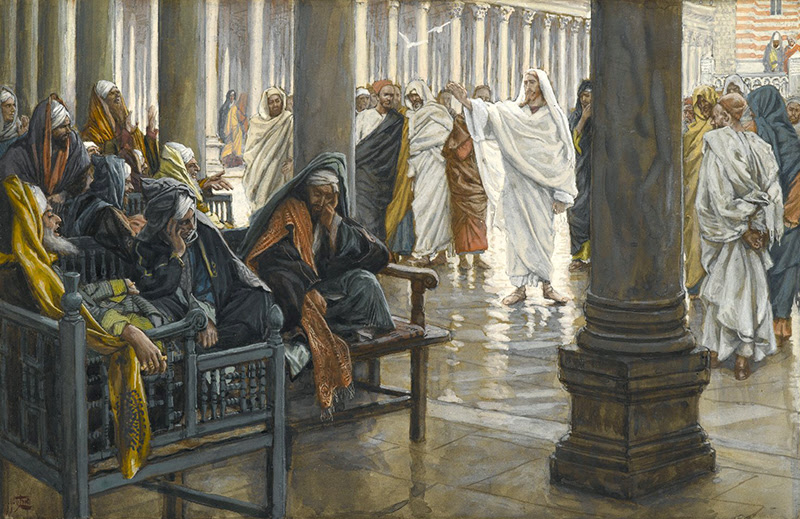
‘Friends, when Jesus of Nazareth began His public ministry, the greatest resistance did not rise from pagan temples or foreign armies. It emerged from inside the religious system itself. The men who thought they knew Scripture best, held authority highest, and spoke most confidently about God became the most determined opponents of God’s Son.
Understanding the Pharisees, Sadducees, and Herodians is essential—not merely as historical groups, but as patterns. Their spirit did not die in the first century. It was reorganized for our end times!
The Pharisees/Doctrine Without Obedience:
The Pharisees were the theological conservatives of their day. They believed in angels, resurrection, and strict adherence to the Law. Outwardly, they appeared righteous. Inwardly, they had replaced obedience to God with obedience to tradition.
Jesus confronted them directly: “This people draweth nigh unto me with their mouth, and honoureth me with their lips; but their heart is far from me.” (Matthew 15:8, KJV). The Pharisees were not threatened by immorality—they were threatened by authority.
Jesus taught without their permission. He healed without their rituals. He forgave sins without their system. Their fear was not that He was wrong, but that He was right—and would expose them.
Their modern counterpart is any church structure that knows Scripture but refuses to repent; that teaches holiness but avoids humility; that values control over truth; and Mammon (riches, wealth, or money) disguised as the prosperity gospel.
The Sadducees: Power Without Faith:
The Sadducees were the ruling elite. They controlled the Temple, the priesthood, and the money. They denied resurrection, angels, and spiritual realities beyond what benefited them politically. Jesus exposed their emptiness: “Ye do err, not knowing the scriptures, nor the power of God.” They had religion, but no reverence. Authority, but no awe. (Matthew 22:29).
The Sadducees opposed Jesus because He threatened their position. If the people believed in resurrection, judgment, and accountability, the Sadducees’ power collapsed. Their theology was designed to protect comfort. Today, this spirit lives wherever church leadership aligns with political power, avoids spiritual truth, and silences anything that threatens institutional security.
The Herodians/Politics Masquerading as Faith:
The Herodians were not theologians at all. They were political loyalists who supported Herod and Roman authority. They joined with the Pharisees—not out of belief, but mutual convenience. They feared Jesus because He represented a Kingdom not sanctioned by Rome. Their allegiance was to power, not truth.
‘Friends, their descendants appear wherever faith is weaponized for political gain—where God’s name is used to maintain influence, and riches, rather than submit to Christ.
United in Opposition to Truth:
Though divided doctrinally, these groups unified against Jesus. Why? Because truth threatens every false foundation equally. Together they plotted, accused, manipulated crowds, pressured Rome, and demanded crucifixion.
Scripture records the chilling outcome; “They cried out, Away with him, away with him, crucify him.” Religion did not save Jesus. Religion killed Him!
Why This Matters Now:
The warning is unmistakable. The same spirits operate today:
- Doctrine without obedience.
- Power without faith.
- Politics without truth.
Jesus did not come to preserve systems. He came to expose them. Any church that resists repentance, suppresses discernment, or prioritizes control over conscience walks the same path. Christ still disrupts institutions that claim God but reject His authority.
Author’s Note:
‘Friends, thanks for staying until this end of this knowledge. First start “Repent,” begins a brighter light in your journey, do you really want to go through all this mess, and not receive an out to personal recovery, only through Christ and His Words. That’s why this essay was written to dismantle a dangerous illusion.
That religious familiarity equals spiritual alignment. The men who opposed Jesus were not outsiders. They were leaders, teachers, and defenders of tradition. They spoke God’s name fluently—and resisted God Himself. My purpose here is not to attack the Church, but to warn of it in the ways that are not of Jesus!
Scripture does not condemn faith; it condemns hypocrisy. It does not rebuke structure; it rebukes pride. The tragedy of the crucifixion was not merely Roman injustice, but religious betrayal. Non-sleepy modern believers must understand this pattern clearly.
When institutions prioritize preservation over repentance, influence over integrity, and silence over truth, they repeat the sins of the Pharisees, Sadducees, and Herodians—regardless of denomination. Jesus did not die to protect religious systems. He died to redeem people. Any church that cannot be questioned, corrected, or humbled by Scripture has already drifted from His voice.
This essay is a call to self-examination, not accusation. If we recognize these spirits, we can resist them. If we ignore them, we may unknowingly stand where Christ once stood—outside the gates, rejected by those who claimed to represent God.
The truth has always been costly. But history demonstrates that rejecting it costs far more: our lives. Isn’t it enough to live once in this mess and worse case die twice (body and soul)? With Jesus, we die once and live everlasting. Stay in prayer, and God bless. Amen!
Author and Servant:
Norman G. Roy III
The Complete Story of the Pharisees and Sadducees: Rivals of Truth/Biblical stories: